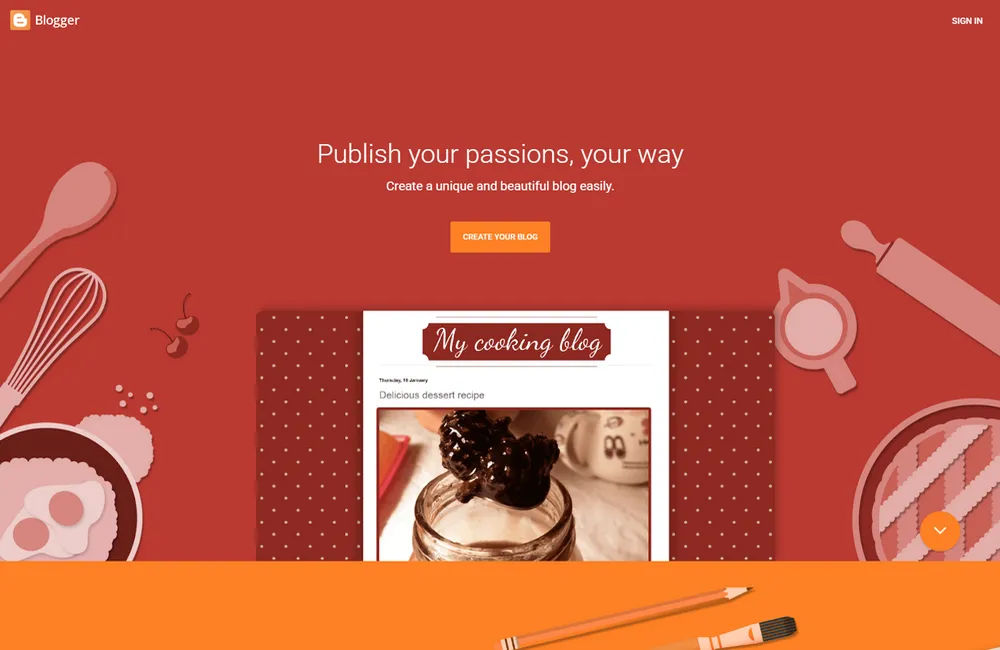
When it comes to free blogging platforms, Blogger (also known as Blogspot) remains one of the oldest and most recognizable names on the internet. Owned by Google, Blogger has been powering blogs since 1999—and surprisingly, it’s still alive and evolving in 2026.
But here’s the real question:
Is Blogger still worth using in today’s competitive web ecosystem?
In this review, we’ll break down everything—from features and SEO performance to design flexibility and monetization potential—so you can decide if Blogger is right for your project.
What Is Blogger?
Blogger is a free blogging platform that allows users to create and publish content without needing hosting or technical setup.
Key highlights:
- Free hosting via Blogspot subdomain
- Integration with Google services
- Simple interface for beginners
- No maintenance required
Unlike platforms like WordPress, Blogger is fully hosted—meaning you don’t need to worry about servers, updates, or security.
Key Features of Blogger
1. Completely Free Platform
Blogger is 100% free to use. You can start a blog instantly with a .blogspot.com domain or connect your own custom domain.
2. Easy-to-Use Interface
The dashboard is minimal and beginner-friendly. Even users with zero coding experience can publish content within minutes.
3. Google Ecosystem Integration
Because it’s owned by Google, Blogger integrates seamlessly with:
- Google AdSense
- Google Analytics
- Google Search Console
This makes it very convenient for monetization and tracking performance.
4. Decent SEO Capabilities
Blogger supports:
- Custom meta tags
- Custom URLs
- Automatic indexing by Google
While not as advanced as WordPress, it still performs well for basic SEO.
5. Custom Themes (Templates)
You can customize Blogger using XML templates or download premium themes from third-party developers.
Pros and Cons
✅ Pros
- Free hosting and domain option
- Very beginner-friendly
- Strong uptime (Google infrastructure)
- Easy AdSense integration
- Low maintenance
❌ Cons
- Limited flexibility compared to modern CMS
- Fewer plugins and extensions
- Outdated default themes
- Not ideal for complex websites
- Limited scalability
| Section | Notes | Score |
|---|---|---|
| Features | Free hosting, custom domain support, basic theme customization, and seamless Google integration | 4.0/5 |
| Ease of Use | Extremely beginner-friendly dashboard with simple publishing and no technical setup required | 4.8/5 |
| SEO | Decent built-in SEO with fast indexing, but lacks advanced tools and plugin flexibility | 3.8/5 |
| Design | Limited default templates, but can be improved with custom or premium themes | 3.7/5 |
| Performance | Reliable speed and uptime powered by Google infrastructure | 4.5/5 |
| Monetization | Easy AdSense integration and suitable for affiliate marketing, but limited for advanced business models | 4.2/5 |
| Scalability | Not ideal for large-scale or complex websites due to limited flexibility | 3.5/5 |
| Value | Excellent value for beginners and small blogs since it's completely free | 4.6/5 |
SEO Performance in 2026
Blogger still benefits from Google’s infrastructure, which means:
- Fast indexing
- Reliable uptime
- Good page speed
However, limitations include:
- Lack of advanced SEO plugins
- Manual optimization required
- Limited schema customization
For niche blogs or content-focused sites, Blogger is still SEO-friendly enough.
Monetization Options
Blogger works extremely well with:
- Google AdSense
- Affiliate marketing
- Sponsored content
However, it’s not ideal for:
- SaaS platforms
- Membership websites
- Advanced eCommerce
Who Should Use Blogger?
Blogger is perfect for:
- Beginners
- Hobby bloggers
- Content writers
- Niche sites
- Simple affiliate blogs
But not recommended for:
- Agencies
- Large businesses
- Complex web applications
Final Verdict
Is Blogger still worth it in 2026?
👉 Yes—but only for specific use cases.
If you want a simple, free, and low-maintenance blogging platform, Blogger is still a solid choice. But if you’re building a serious online business or need scalability, you’ll quickly outgrow it.
Conclusion
Blogger proves that simplicity still has a place in modern web development. While it may not compete with advanced CMS platforms, it continues to serve millions of users who value ease of use over complexity.